
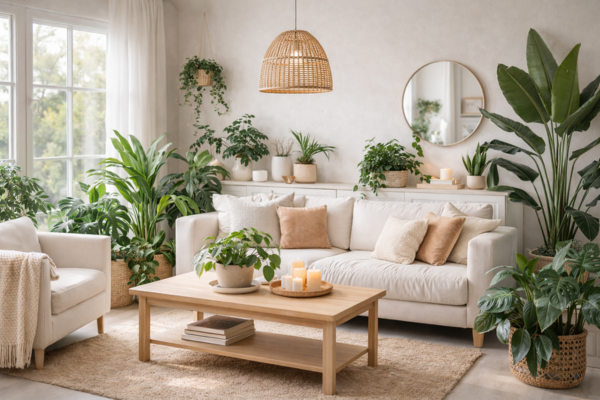
Understanding common indoor gardening mistakes can make the difference between thriving plants and constant frustration. Many indoor plants fail not because they are difficult to grow, but because small care habits create long-term stress for roots, leaves, and overall growth.
As indoor gardening continues to grow in popularity, more people are experimenting with herbs, foliage plants, and small container gardens inside their homes. However, indoor environments behave very differently from outdoor gardens. Light levels, airflow, humidity, and watering patterns all change significantly once plants move indoors.
“Healthy indoor plants are usually the result of consistent small habits rather than complicated techniques.”
Recognizing the most frequent indoor gardening mistakes helps create a more stable and predictable growing environment.
Overwatering Indoor Plants
Overwatering is one of the most common indoor gardening mistakes. Many beginners assume that plants need constant moisture, especially when they are kept in warm living spaces.
In reality, indoor soil dries more slowly because of reduced sun exposure and limited airflow. Excess water can quickly lead to root rot, fungal issues, and yellowing leaves. Instead of following a strict schedule, it is more effective to check the soil texture before watering.
Using containers with proper drainage holes is essential. Decorative planters without drainage often trap moisture, creating unhealthy root conditions.

Not Providing Enough Light
Insufficient light is another major reason indoor plants decline. Many homes simply do not receive the same intensity of sunlight that outdoor gardens provide.
Even bright rooms can be misleading. Light filtered through curtains or reflected from walls may not be strong enough for herbs or sun-loving plants. Placing plants closer to windows, rotating pots weekly, or adding LED grow lights can dramatically improve growth.
Using the Wrong Soil Mix
Indoor plants depend heavily on soil quality. Heavy garden soil or compact potting mixes restrict airflow around roots and retain too much water.
A well-balanced indoor mix should include materials that improve drainage and oxygen circulation. Ingredients such as perlite, bark, or coarse sand help create a lighter structure that supports healthy root systems.
Repotting plants periodically also refreshes nutrients and prevents root crowding.

Ignoring Airflow and Humidity
Indoor environments often lack natural airflow. Closed windows, heating systems, and air conditioning can create dry or stagnant conditions that stress plants.
Grouping plants together can help stabilize humidity levels. Additionally, opening windows occasionally or using small fans can improve air movement without creating drafts.
Some tropical indoor plants benefit from gentle misting, although this should be done carefully to avoid fungal problems.
Choosing the Wrong Plants for Your Space
Not every plant is suited for indoor life. Some varieties require intense sunlight, outdoor temperature variation, or seasonal dormancy to remain healthy.
Selecting adaptable plants — such as herbs, pothos, snake plants, or certain ferns — improves success rates significantly. Matching plant needs with real home conditions is more important than following trends.
If you are just starting, you may also enjoy reading our guide on best herbs to grow indoors, which pairs well with this topic.
Final Thoughts on Indoor Gardening Mistakes
Most indoor gardening mistakes are easy to fix once they are identified. Paying attention to light levels, watering habits, soil structure, and plant selection creates a stronger foundation for long-term plant health.
Indoor gardening does not require perfection. Instead, it benefits from observation, small adjustments, and patience. Over time, even beginners can develop a thriving indoor garden that supports both aesthetics and everyday functionality.
For additional plant care guidance, resources such as the Royal Horticultural Society and University of Minnesota Extension offer research-based recommendations.