
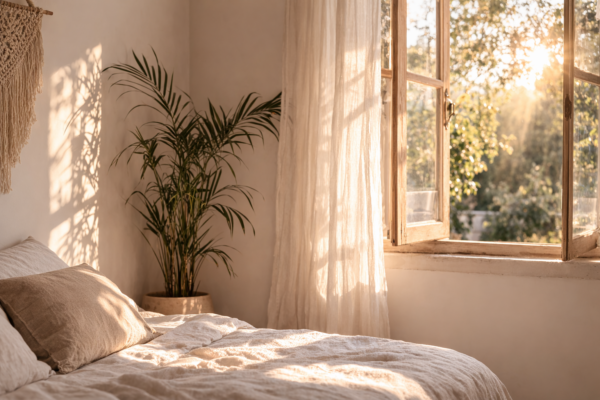
Light has always been more than illumination. It shapes mood, influences energy, and quietly transforms how a space feels. When used with intention, natural light can become one of the most powerful tools to create harmony at home.
Many people think positive energy comes from dramatic changes — new furniture, bold redecorating, or complete redesigns. However, in both Feng Shui philosophy and modern mindful living, transformation often begins with something much simpler: awareness of light.
When sunlight enters a home, it activates movement. It softens stagnant corners, highlights textures, and invites life into spaces that might otherwise feel heavy or quiet. Understanding how to work with light can completely change the emotional atmosphere of your home.
Let Natural Light Lead the Energy
In Feng Shui, movement is essential. Energy — often referred to as “chi” — should flow gently through a space. When rooms are dark or blocked, energy can feel stuck. Conversely, when light moves freely, the entire environment feels lighter.
Opening curtains fully during the morning allows fresh energy to enter. Additionally, clearing window sills or rearranging furniture to avoid blocking sunlight can create subtle yet meaningful shifts. Over time, you may begin to notice how different rooms respond to the sun’s journey throughout the day.
When light moves freely, energy follows.
This awareness transforms daily routines into rituals. Simply watching how light changes your walls or floors can become a grounding practice that reconnects you with the rhythm of your home.
Using Suncatchers to Activate Movement
While natural light is powerful on its own, reflective elements can amplify its effect. Crystal suncatchers introduce gentle motion through light refraction. As sunlight passes through a faceted crystal, it creates small rainbows that travel across surfaces, subtly energizing the room.
This movement is not only visually beautiful but also symbolically meaningful. In Feng Shui-inspired interiors, moving light represents activated opportunities, emotional clarity, and renewed inspiration.
Placing a suncatcher near a window where direct sunlight enters can help soften stagnant areas. Additionally, positioning it near plants or natural materials enhances the sense of vitality within the space.
Plants as Anchors of Positive Energy
If light activates energy, plants help stabilize it. Living greenery introduces grounding, balance, and quiet movement. Leaves gently shifting in sunlight remind us that energy is always dynamic, yet rooted.
Certain plants are often associated with positive symbolism. Lucky bamboo represents resilience and growth. Pothos symbolizes abundance and adaptability. Snake plants are believed to protect and purify environments.
In addition, combining plants with reflective light creates layered energy. For example, placing a propagation jar near a crystal prism allows light and life to interact in a way that feels intentional and nurturing.
Creating Light Rituals in Everyday Spaces
Activating positive energy does not require perfection. Instead, it thrives through small, repeatable actions. Opening windows in the morning, adjusting curtains in the afternoon, or observing where sunlight naturally gathers can help you design spaces that feel supportive rather than forced.
Furthermore, creating visual breathing room is essential. Overcrowded surfaces block not only light but also emotional clarity. By simplifying decor and allowing reflective elements to stand out, your home becomes calmer and more intentional.
Soft textures, light wood, and neutral tones can enhance brightness without overwhelming the senses. Meanwhile, subtle accents of color introduce joy and personality, making each room feel alive.
A Home That Feels Alive
Ultimately, positive energy is not something you purchase — it is something you cultivate. When you allow light to guide your choices, your home begins to feel responsive, supportive, and deeply personal.
Through light, movement, and intention, every space can become a reflection of calm, creativity, and possibility.